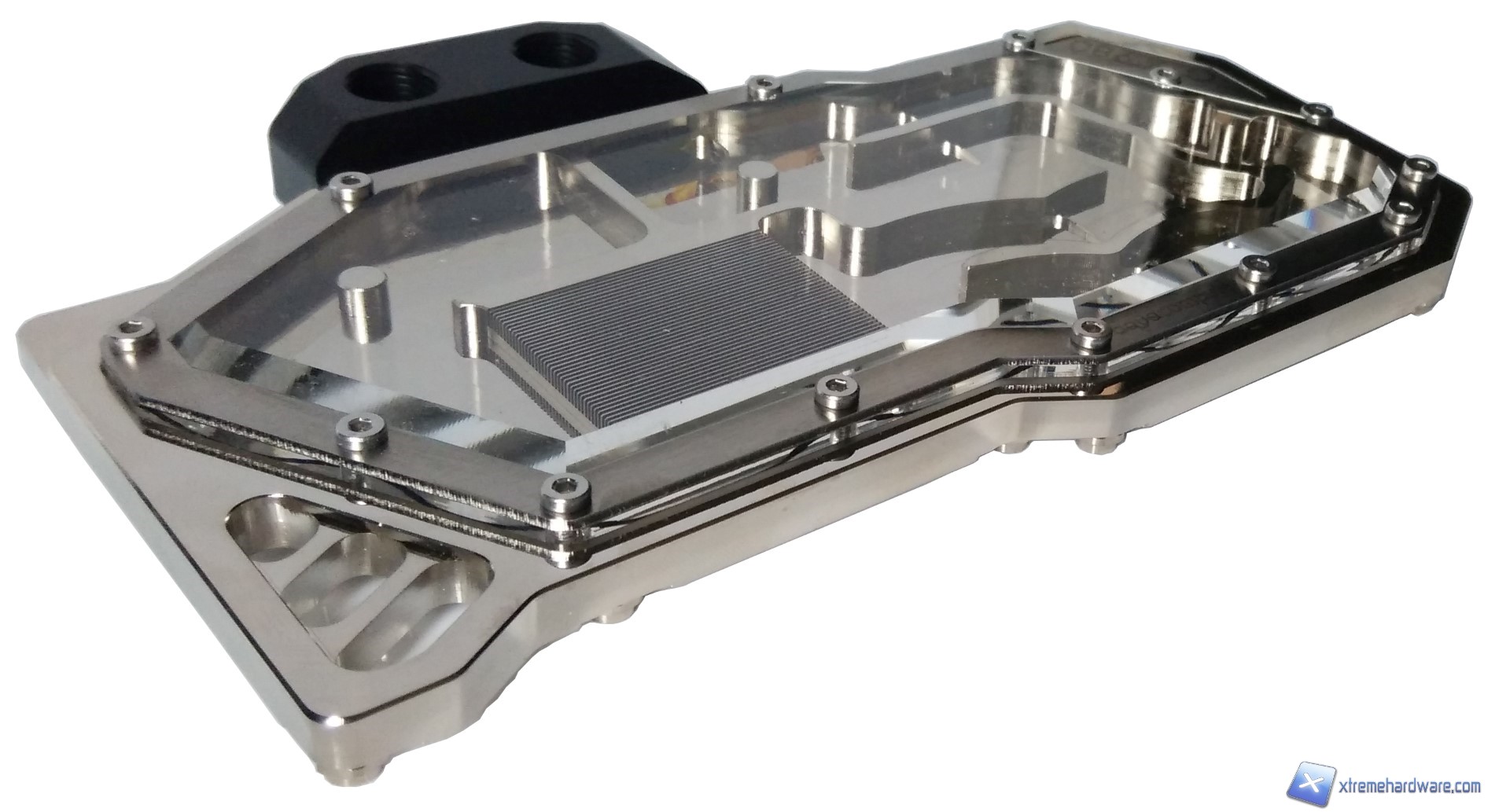
FERMI architecture and GF114
The GF114 Nvidia graphics chip replaces the previous GF104 Nvidia chip used in Nvidia GTX 460 video cards. Also based on its 40nm technology, as the previous version, through the same studies made for the top range versions, even in this case the frequency management system has been improved, increasing slightly the consumption and improving consistently performance. Despite these changes, the number of transistors has remained unchanged, 1.95 billion, the same of GF104.
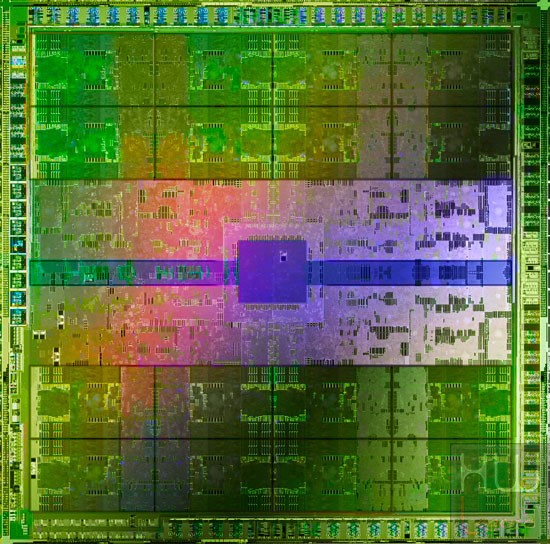
GF114 is composed of two Graphics Processing Clusters (GPC), each of which has four Streaming Processors (SM) (8 in total) all enabled, unlike GF104 where a SM was disabled. Each SM is composed of 48 Cuda cores and eight texture units. Overall, the complete Fermi GF114 chip has 384 Cuda Cores and not 336 as it was for GF104 (7 Stream Processors each of which consists of 48 Cuda cores for a total of 336).
The activation of the eighth Stream Processor and then other additional 48 CUDA Cores, was carried out together with an increase of the GPU core frequency, up to 820 MHz.
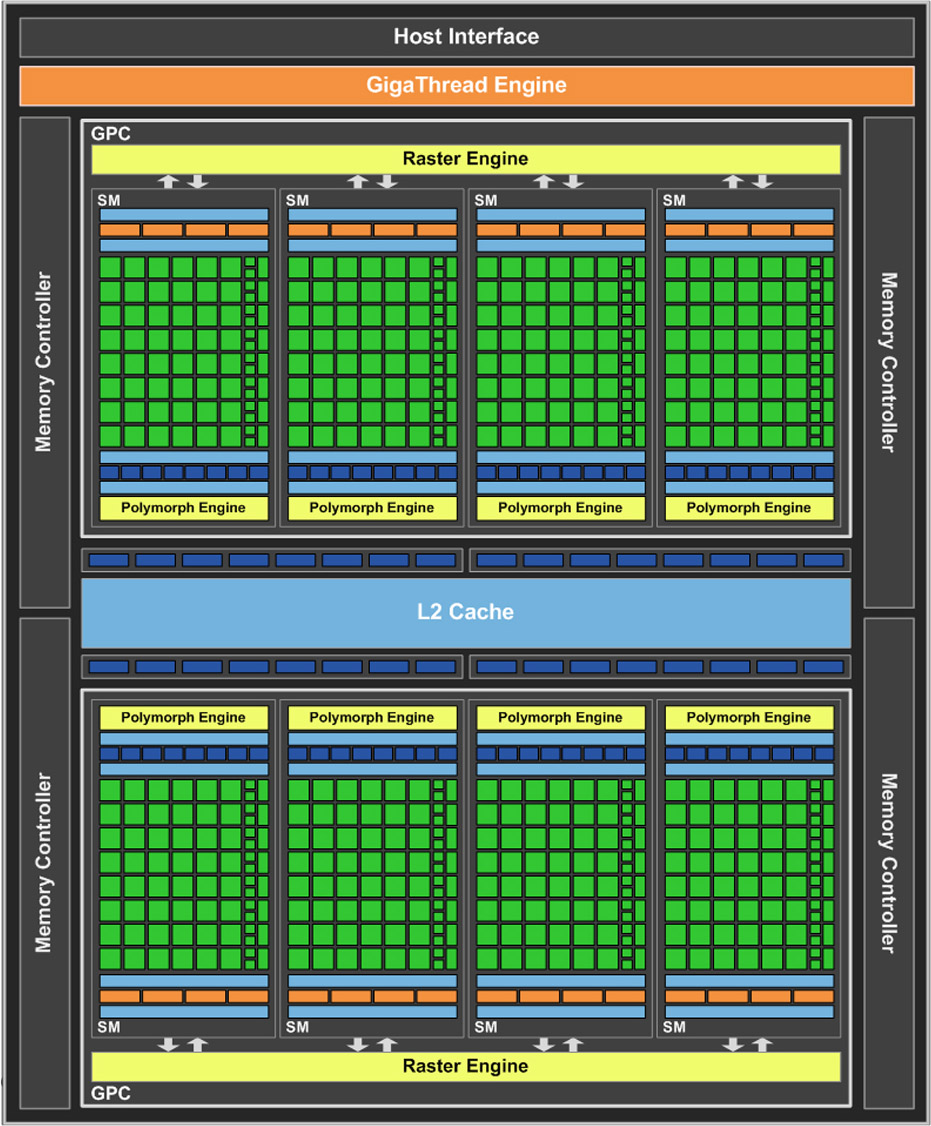
In each Streaming Processor unit there is also a Polymorph Engine, which deals with the tessellation technology. So in total there are 8 Polymorph Engine.
The GTX560 Ti is equipped with 1024MB of GGDR5 memory.